This October, I plan to travel on pilgrimage to the Noble Land of India together with my Dharma friends from the West. In conjunction with this, we also plan to receive an audience with His Holiness Tenzin Gyatso, the great guide of world peace. First, for my Dharma friends and students, I will briefly explain, through five sections, the reasons for going on pilgrimage, its benefits, and related matters.
Editors note: English and Tibetan follows, and PDFs are available in both languages
རྩོམ་སྒྲིག་པའི་མཆན། དབྱིན་ཡིག་དང་བོད་ཡིག་གཉིས་ཀ་འདིར་ཡོད། སྐད་ཡིག་གཉིས་ཀའི་ནང་དུ་PDFཡང་འདིར་ཡོད།
1. The Meaning of the Tibetan Expression “Gné Kor”
First, I will explain the meanings of the two Tibetan words gné and kor.
Gné, or “sacred place,” refers to an exceptional land or location where, many kalpas and many years ago, buddhas, bodhisattvas, siddhas, and precious lamas engaged in spiritual practice and cultivation.
Kor, literally “circling” or “circumambulation,” means personally traveling to such a precious sacred place and, while there, engaging in practice and spiritual cultivation, making prostrations and offerings, circumambulating, and performing other practices through which merit is accumulated and obscurations are purified.
The sacred places to which we will now travel are the four universally renowned great sacred places:
- Bodh Gaya, the place where the Blessed Buddha attained buddhahood;
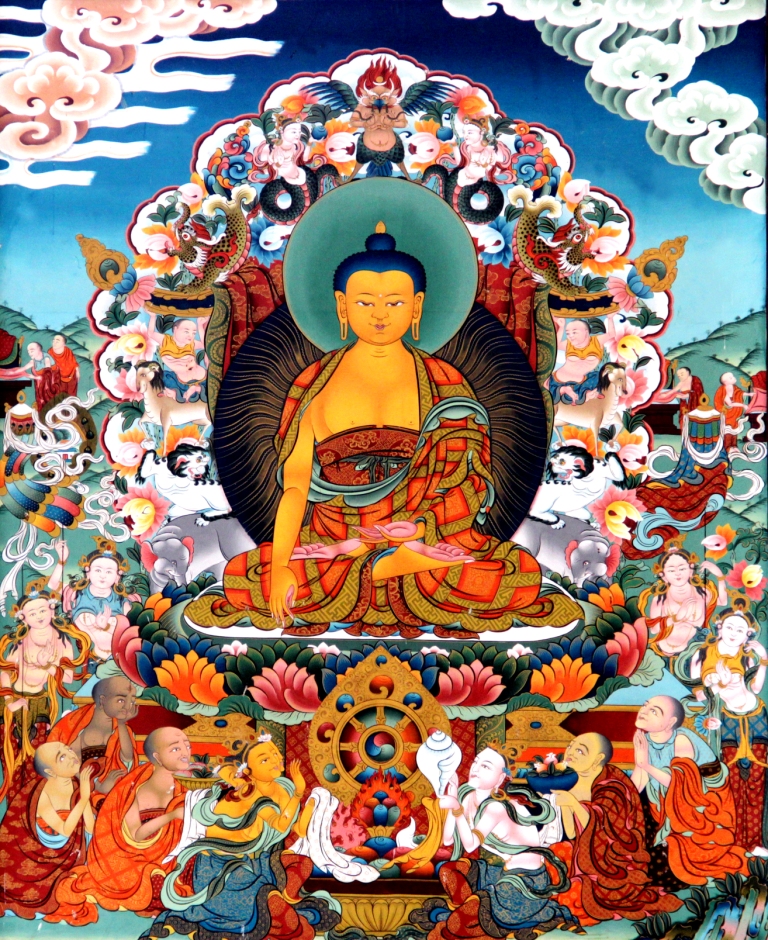
- Varanasi, the place where he turned the Wheel of Dharma of the Four Noble Truths;
- Lumbini, the place where he was born;
- Kushinagar, the place where he passed into parinirvāṇa.
I expect that more extensive explanations will be given when we arrive at the sacred places themselves.
2. Motivation
From the perspective of the Buddhist teachings, whatever virtues of body, speech, and mind we may perform, our motivation at the beginning is of primary importance. According to whether the causal motivation is good or bad, the virtues performed through body and speech will produce results corresponding to it.
Before going on pilgrimage, we should understand that this journey is not like an ordinary sightseeing trip or vacation. We should learn about the histories of the sacred places and understand the benefits of pilgrimage. Then, with faith and devotion, we should think:
“Through this excellent opportunity, I have now been able to go on pilgrimage. I am extremely fortunate.”
With joy in our hearts, we should also think:
“This pilgrimage is not merely for my own happiness and enjoyment. It is for all sentient beings to possess happiness and to be free from suffering.”
If the pilgrimage is embraced by such a good intention or correct motivation, the actual pilgrimage itself becomes genuine virtue embraced by the Mahāyāna. Therefore, by all means, we should find a way to sustain a good motivation.
3. How We Should Undertake the Pilgrimage
Having embraced the pilgrimage with the good and altruistic motivation explained above, when we begin the actual pilgrimage, we should prepare thoroughly and make sure that none of the necessary provisions are missing.
Although the place to which we are traveling is India, the “Noble Land”, its environment, food, climate, and other conditions are entirely different from those of the United States. Everyone should understand this and exercise care in all matters concerning food and conduct.
In particular, do not forget to bring the medications you ordinarily take and any other necessary personal items. You should make special preparations for these things.
When we begin the actual pilgrimage, we should not conduct ourselves as though we were ordinary tourists. Instead, while remaining at a sacred place, we should recollect its history. We should remember whichever buddhas, bodhisattvas, siddhas, lamas, or other beings originally blessed that place, recite praises to them, and engage as much as possible in meditation, spiritual practice, and cultivation.
While traveling, we should follow the directions of the guides and travel together with the group. We should not remain behind alone, separate from the group and go elsewhere, or travel ahead by ourselves. At all times, we should travel and remain together with the group.
4. The Benefits of Pilgrimage
It is said that, for someone who ordinarily practices the Dharma, practicing for one day at an exceptionally sacred place is more beneficial than practicing for an entire year at home.
In general, it is said that there are two possibilities:
A sacred place blesses the person, and a person blesses the sacred place.
The places we are discussing here are exceptionally sacred places that certainly bless the person. Therefore, as explained above, we should remain there peacefully and without haste, applying ourselves to recitation, meditation, spiritual practice, and cultivation.
There are many accounts of certain fortunate individuals whose minds underwent extraordinary transformations while they were at sacred places and whose qualities of the grounds and paths then increased rapidly. It does not appear necessary to relate all of those accounts here today.
5. Concluding Advice
On this occasion, we have the opportunity to travel together on pilgrimage to India as lama and students, Dharma friends, and male and female companions whose view and conduct are in harmony.
In conjunction with this, something that gives us even greater reason to rejoice is the opportunity to receive an audience with His Holiness the Fourteenth Dalai Lama, the supreme head of the Victorious One’s teachings upon the earth, the guide of world peace, and our protector and refuge.
Considering His Holiness’s advanced age and the critical juncture of the times, this audience has come at precisely the right time. An audience with the lama and an excellent pilgrimage such as this may occur only once in a lifetime. Therefore, without allowing this time and opportunity to be lost, everyone should participate together.
During the journey, the hotels, food, fellow travelers, climate, and other conditions may sometimes not accord with the habits and preferences through which we have become somewhat spoiled by living according to our own wishes. When this happens, there is no other method than to practice patience.
In general, judging from the climate, the preparations made by the travel guides, the destinations, and the other circumstances of the present journey, I have great hope that it will go very well.
One reason for this is that my elder Dharma brother, Lama Kozen, together with his students, will participate as leaders and guides of our pilgrimage. This gives me great peace of mind. He not only has experience undertaking pilgrimages together with his students, but is also knowledgeable about and familiarity with both Western and Eastern religions and cultures.
On this pilgrimage, students from Dharma communities of both the Great Mahayana Vehicle of Buddhism and the Secret Mantra Vajrayana Vehicle will travel together. This is like the Tibetan proverb:
“The tiger and the lion travel side by side, shoulder to shoulder.”
This is extremely fortunate.
Taking this opportunity, I would like to say to my dearly beloved elder Dharma brother, Lama Kozen, for joining us on this pilgrimage, I offer you, from the center of my heart, my immeasurable gratitude and thanks.
There is also something that all those going on pilgrimage should keep firmly in mind.
We are ordinarily accustomed to traveling in advanced Western countries, considering which country is most pleasant, which hotel is most luxurious, which food is most delicious and nutritious, and which climate is best and most tolerable. This pilgrimage will be somewhat different.
Therefore, whatever hardships or fatigue may arise, we should wear the armor of courage and resolve, thinking, “For these nineteen days, I will certainly endure these difficulties for the sake of the pilgrimage.”
Everyone should prepare accordingly. As the saying goes:
“Prepare for the worst and hope for the best.”
Finally, I pray that this pilgrimage of ours may be free from all obstacles and hindrances and may be auspicious and excellent.
Written by Khenpo Karten as necessary guidance for the pilgrims.
Sarva Maṅgalam.
May all be auspicious.
Tashi Delek!
གནས་སྐོར་བ་རྣམས་ལ་ཆེད་དུ་བྲིས་པའི་དྲན་སྐུལ།
འདི་ལོར་སྤྱི་ཟླ་བཅུ་པའི་ནང་ནུབ་ཕྱོགས་པའི་ང་ཡི་ཆོས་གྲོགས་རྣམས་དང་ལྷན་རྒྱ་གར་འཕགས་པའི་ཡུལ་ལ་གནས་སྐོར་དང་ཞོར་དུ་འཛམ་གླིང་བདེའི་དེད་དཔོན་ཆེན་པོ་རྒྱལ་བ་བསྟན་འཛིན་རྒྱ་མཆོག་ཀྱང་མཇལ་ཁ་ལ་འགྲོ་འཆར་ཡོད་པས་དང་པོ་ང་ཡི་ཆོས་གྲོགས་དང་སློབ་མ་རྣམས་ལ་གནས་སྐོར་ལ་འགྲོ་དགོས་པའི་རྒྱུ་མཚན་དང་ཕན་ཡོན་སོགས་མདོར་བསྡུས་ཙམ་ས་བཅད་རྣམ་པ་ལྔ་ཡི་སྒོ་ནས་འགྲེལ་བཤད་བྱེད་ཀྱི་ཡིན།
༼དང་པོ་བོད་ཡིག་ལ་གནས་སྐོར་ཞེས་པའི་ཚིག་འདི་གཉིས་ཀྱི་གོ་དོན་བཤད་པ།
གནས་ནི། སྐལ་པ་མང་པོ་དང་ལོ་གྲངས་མང་པོའི་གོང་ནས་སངས་རྒྱས་དང་བྱང་ཆུབ་སེམས་དཔའ། གྲུབ་ཐོབ་དང་རྩ་ཆེའི་བླ་མ་རྣམས་ཀྱིས་སྒྲུབ་པ་དང་ཉམས་ལེན་གནང་སའི་ཡུལ་དང་ས་ཆ་ཁྱད་པར་ཅན་ཞིག་ལ་གོ་དགོས་སོ།
སྐོར་ནི། དེ་ལྟ་བུའི་རྩ་ཆེའི་གནས་དེ་ཉིད་ལ་རང་ཉིད་དངོས་སུ་འགྲོ་ནས་གནས་ནང་དུ་སྒྲུབ་པ་དང་། ཉམས་ལེན། ཕྱག་མཆོད་དང་། སྐོར་བ་སོགས་ཚོགས་བསག་སྒྲིབ་སྦྱོང་བྱེད་པ་ལ་གོ་དགོས།
ད་ལྟ་ང་ཚོ་འགྲོ་ཡུལ་གྱི་གནས་འདི་རྣམས་ནི། སངས་རྒྱས་བཅོམ་ལྡན་འདས་སངས་རྒྱས་པའི་གནས། རྡོ་རྗེ་གདན། བདེན་པ་བཞིའི་ཆོས་ཀྱི་འཁོར་ལོ་སྐོར་བའི་གནས། ཝཱ་རཱ་ཎ་སི། སྐུ་འཁྲུངས་པའི་གནས། ལུམ་བིའི་ཚལ། མྱ་ངན་ལས་འདས་པའི་གནས། རྩ་མཆོག་གྲོང་བཅས་ཡོངས་གྲགས་ཀྱི་གནས་ཆེན་བཞི་པོ་དེ་རེད། འགྲེལ་བཤད་རྒྱས་པ་ང་ཚོ་གནས་ནང་དུ་འབྱོར་བའི་སྐབས་སུ་ཡོང་གི་རེད་བསམ།
༼གཉིས་པ་ཀུན་སློང་ནི།
ནང་ཆོས་ཀྱི་ཐོག་ནས་ལུས་ངག་ཡིད་གསུམ་གྱི་དགེ་བ་ཇི་ལྟར་བྱས་ཀྱང་དང་པོ་ཀུན་སློང་ཉིད་གཙོ་ཆེ་ཞིང་། རྒྱུ་ཀུན་སློང་བཟང་ངན་གྱི་དབང་གིས་ལུས་ངག་གི་དགེ་བ་ཡང་དེ་དང་མཐུན་པའི་སྒོ་ནས་འབྲས་བུ་འབྱུང་བའོ། གནས་སྐོར་ལ་མ་འགྲོ་བའི་གོང་ནས་རང་ཉིད་ད་རེས་གནས་སྐོར་འདི་ལྟ་བུ་ཞིག་ལ་འགྲོ་བ་དེ་ནམ་རྒྱུན་ཡུལ་སྐོར་སྤྲོ་འཆམ་པ་འགྲོ་བ་ལྟ་བུ་མ་ཡིན་པར། གནས་དེ་ཉིད་ཀྱི་ལོ་རྒྱུས་དང་གནས་སྐོར་གྱི་ཕན་ཡོན་སོགས་ཧ་གོ་བའི་ཐོག་ནས་དད་པ་དང་མོས་གུས་ཀྱིས་རང་ཉིད་ད་རེས་གོ་སྐབས་བཟང་པོ་འདི་རྒྱུད་ནས་གནས་སྐོར་ལ་འགྲོ་རྒྱུ་བྱུང་བ་དེ་ཧ་ཅང་སྐལ་པ་བཟང་པོ་ཡིན་བསམ་ནས་སེམས་ལ་དགའ་སྤྲོ་དང་བཅས། ད་རེས་ཀྱི་གནས་སྐོར་འདི་རང་གཅིག་པུ་སྐྱིད་པོ་གཏོང་བྱེད་ཙམ་མ་ཡིན་པས་འགྲོ་བ་སེམས་ཅན་ཐམས་ཅད་བདེ་བ་དང་ལྡན་སྡུག་བསྔལ་དང་བྲལ་བའི་ཆེད་དུ་ཡིན་བསམ་དགོས་སོ། དེ་ལྟར་བསམ་པ་བཟང་པོའམ་ཀུན་སློང་ཡང་དག་པས་རྩིས་ཟིན་པ་ཡིན་ན་ཁྱེད་རང་གི་དངོས་གཞི་གནས་སྐོར་དེ་ཉིད་ཀྱང་ཐེག་ཆེན་གྱི་རྩིས་ཟིན་པའི་གནས་སྐོར་གྱི་དགེ་བ་ཡང་དག་པར་འགྱུར་བས་ཅི་ནས་ཀྱང་ཀུན་སློང་བཟང་པོས་ཟིན་པའི་ཐབས་ཤེས་བྱེད་དགོས་སོ།།
༼གསུམ་པ་གནས་ཇི་ལྟར་སྐོར་དགོས་པའི་ཚུལ།
གོང་དུ་ཀུན་སློང་གཞན་ཕན་བསམ་པ་བཟང་པོས་རྩིས་ཟིན་པའི་ཐོག་ནས་དངོས་གཞི་གནས་སྐོར་དངོས་ལ་འཇུག་པའི་སྐབས་སུ། རང་ཉིད་ལ་དགོས་པའི་ཡོ་བྱད་མ་ཚང་བ་མེད་པ་གྲ་སྒྲིག་ལེགས་པར་བྱེད་ཅིང་ད་ལྟ་ང་ཚོའི་འགྲོ་ཡུལ་གནས་ནི་རྒྱ་གར་འཕགས་པའི་ཡུལ་ཡིན་ཀྱང་རྒྱ་གར་ལྟ་བུ་ལ་མཚོན་ན་ཁོར་ཡུག་དང་། ཁ་ཟས། གནམ་གཤིས་སོགས་གང་ཐད་ནས་ཀྱང་ཨ་རིའི་རྒྱལ་ཁབ་དང་གཏན་ནས་མི་འདྲ་བས་ཚང་མས་དེ་ལུགས་ཧ་གོ་བའི་ཐོག་ནས་ཟས་དང་སྤྱོད་ལམ་གང་ཐད་གཟབ་ནན་བྱེད་དགོས། ལྷག་པར་དུ་ནམ་རྒྱུན་སོ་སོའི་སྨན་དང་མཁོ་བའི་ཡོ་བྱད་རྣམས་ཁུར་རྒྱུ་མ་བརྗེད་པར་དམིགས་བསལ་གྲ་སྒྲིག་བྱེད་དགོས། དེ་ནས་གནས་སྐོར་དངོས་ལ་འཇུག་པའི་སྐབས་སུ་ནམ་རྒྱུན་ཡུལ་སྐོར་སྤྲོ་འཆམ་པ་འགྲོ་བ་ལྟར་མ་ཡིན་པར་གནས་ནང་དུ་འདུག་ནས་གནས་དེ་ཉིད་ཀྱི་ལོ་རྒྱུས་ཡིད་ལ་དྲན་པའི་ཐོག་ཐོག་མའི་གནས་བྱིན་གྱིས་བརློབས་མཁན་སངས་རྒྱས་དང་བྱང་ཆུབ་སེམས་དཔའ། གྲུབ་ཐོབ་དང་བླ་མ་སོགས་གང་ཡིན་ཀྱང་དེ་ཉིད་ཀྱི་བསྟོད་པ་འདོན་ཅིང་སྒོམ་སྒྲུབ་ཉམས་ལེན་སོགས་ཅི་ཐུབ་བྱེད་དགོས། འགྲོ་བའི་སྐབས་སུ་སྣེ་ཤན་པའི་ལམ་སྟོན་ལྟར་མི་མང་དང་མཉམ་དུ་འགྲོ་བ་ལས་རང་ཉིད་གཅིག་པུ་རྗེས་སུ་ལྷག་པ་དང་། ཟུར་ཆད་བྱེད་ནས་འགྲོ་བ། སྔོན་ལ་འགྲོ་བ་སོགས་མི་བྱེད་ཅིང་དུས་རྒྱུན་དུ་མི་མང་དང་ལྷན་མཉམ་འགྲོ་མཉམ་འདུག་བྱེད་དགོས།
༼བཞི་པ་གནས་སྐོར་གྱི་ཕན་ཡོན་ནི།
ནམ་རྒྱུན་རང་ཉིད་ཆོས་ཉམས་ལེན་གནང་མཁན་ཡིན་ཚེ་རང་གི་ཁྱིམ་དུ་ལོ་གཅིག་ཉམས་ལེན་བྱས་པ་ལས་ཀྱང་གནས་ཁྱད་པར་དུ་འཕགས་པའི་ནང་ཉིན་གཅིག་ཉམས་ལེན་བྱས་པ་གཉིས་གནས་ནང་དུ་ཉིན་གཅིག་ཉམས་ལེན་བྱས་པ་ཕན་ཡོན་ཆེ་ཞེས་གསུངས་ཡོད། ལར་ནི་གནས་ཀྱིས་གང་ཟག་བྱིན་གྱིས་བརློབ་པ་དང་། གང་ཟག་གིས་གནས་བྱིན་གྱིས་བརློབ་པ་ཞེས་གཉིས་གསུངས་ཡོད། སྐབས་འདིའི་གནས་ནི་གནས་ཀྱིས་གང་ཟག་ངེས་པར་དུ་བྱིན་གྱིས་བརློབ་པའི་གནས་ཁྱད་པར་དུ་འཕགས་པ་རྣམས་ཡིན་དུས་གོང་དུ་བཤད་པ་ལྟར་བྲེལ་ཟིང་མེད་པར་ལྷོད་ལྷོད་ཀྱིས་གནས་ནང་དུ་ཁ་འདོན་དང་སྒོམ་སྒྲུབ་ཉམས་ལེན་སོགས་ལ་འབད་དགོས་སོ། དེ་ལྟར་བྱས་ན་སྐལ་པ་བཟང་པོའི་རིགས་ཅན་འགའ་ཤས་ལ་གནས་ཀྱི་ནང་དུ་སེམས་ལ་འགྱུར་བ་ཁྱད་ཅན་ཕྱིན་ནས་ས་ལམ་གྱི་ཡོན་ཏན་མགྱོགས་པོ་གོང་དུ་འཕེལ་བའི་ལོ་རྒྱུས་ཧ་ཅང་མང་པོ་ཡོད་པས་དེ་རིང་འདིར་འགོད་དགོས་པར་མི་སྣང་ངོ་།
ལྔ་པ་འཕྲོས་དོན་གྱིས་མཇུག་བསྡུ་བ་ནི།
ད་རེས་ང་ཚོ་བླ་མ་དང་སློབ་མ། ཆོས་གྲོགས་དང་ལྟ་སྤྱོད་མཐུན་པའི་གྲོགས་ཕོ་མོ་རྣམས་དང་ལྷན་རྒྱ་གར་ལ་གནས་སྐོར་དུ་མཉམ་དུ་འགྲོ་བ་དང་། དེ་དང་ཆབས་ཅིག་ཏུ་ཆེས་དགའ་འོས་པ་ཞིག་ལ་ས་སྟེང་རྒྱལ་བསྟན་ཡོངས་ཀྱི་གཙོ་འཛིན། འཛམ་གླིང་ཞི་བདེའི་དེད་དཔོན། སྐྱབས་མགོན་རྒྱལ་མཆོག་སྐུ་ཕྲེང་བཅུ་བཞི་པ་མཆོག་དགུང་ལོའི་བབས་དང་། དུས་ཚོད་ཀྱོག་མཚམས་སོགས་གང་ལ་བསམ་ཡང་ད་རེས་ཀྱི་མཇལ་ཁ་འདི་ནི་དུས་ཚོད་མ་ནོར་བ་ཞིག་ཡིན་པས་བླ་མའི་མཇལ་ཁ་དང་གནས་སྐོར་བཟང་པོ་འདི་ལྟ་བུ་གཉིས་ནི་མི་ཚེ་གཅིག་གི་ནང་དུ་ཐེངས་གཅིག་ཙམ་ཡིན་པས་དུས་ཚོད་གོ་སྐབས་མ་ཤོར་བའི་ཐོག་ཚང་མས་མཉམ་ཞུགས་འོག། འགྲུལ་བཞུད་སྐབས་སུ་གལ་སྲིད་མགྲོན་ཁང་དང་། ཟ་མ། གནས་གྲོགས་ཕོ་མོ། གནམ་གཤིས་སོགས་ཀྱིས་ནམ་རྒྱུན་རང་ཉིད་གཅིག་པུར་སོ་སོ་ངན་ལང་དུ་སོང་བའི་གོམས་བཤིས་ཀྱི་བསམ་བློ་ལ་ཅུང་མ་འགྲིག་པ་རེ་བྱུང་ན་ངེས་པར་བཟོད་སྒོམ་བྱེད་རྒྱུ་ལས་གཞན་ཐབས་ལམ་གང་ཡང་མེད། སྤྱིར་བཏང་ད་ལྟའི་འགྲུལ་བཞུད་འདི་གནམ་གཤིས་དང་། ཡུལ་སྐོར་སྣེ་ཤན་པའི་གྲ་སྒྲིག འགྲོ་ཡུལ་གནས་སོགས་གང་ཐད་ནས་ཚོད་དཔག་བྱས་ན་ཧ་ཅང་ཡག་པོ་ཡོང་བའི་རེ་བ་ཡོད། གང་ཡིན་ཞེ་ན། ད་རེས་ང་ཚོའི་གནས་སྐོར་འདིའི་གཙོ་འཛིན་དང་ལམ་སྟོན་པ་ཚང་མ་ང་ཡི་ཆོས་ཀྱི་གཅེན་པོ་བླ་མ་ཀོ་ཟེན་ལགས་དང་ཁོང་གི་སློབ་མ་བཅས་མཉམ་ཞུགས་གནང་མཛད་པ་དེས་ང་ཧ་ཅང་བློ་བདེ་བོ་འདུག །གང་ཡིན་ཞེ་ན། ཁོང་ནི་ནམ་རྒྱུན་སློབ་མ་རྣམས་དང་ལྷན་གནས་སྐོར་ལ་འགྲོ་བའི་ཉམས་མྱོང་ཡོད་པ་མ་ཟད། ནུབ་ཕྱོགས་པ་དང་ཤར་ཕྱོགས་པའི་ཆོས་དང་རིག་གཞུང་གཉིས་ཀ་ལ་རྒྱུས་མངའ་ཡོད་མཁན་ཡིན་པའི་སྟབས་ཀྱིས་རེད། ད་རེས་ང་ཚོའི་གནས་སྐོར་འདི་ནི་ནང་ཆོས་ཐེག་པ་ཆེན་པོ་དང་། གསང་སྔགས་རྡོ་རྗེ་ཐེག་པའི་ཆོས་ཚོགས་ཀྱི་སློབ་མ་གཉིས་མཉམ་དུ་གནས་སྐོར་ལ་འགྲོ་རྒྱུ་བྱུང་བ་འདི། བོད་ཀྱི་གཏམ་དཔེར། སྟག་སེང་འཇིང་པ་མཉམ་བཤིབས། ཟེར་སྲོལ་ཡོད་པ་ལྟར་རེད། ཧ་ཅང་སྐལ་པ་བཟང་པོ་རེད། ངས་གོ་སྐབས་འདི་བརྒྱུད་ནས་ང་ཡི་སྙིང་ནས་བརྩེ་བའི་བླ་མ་ཀོ་ཟེན་ལགས་ལ་ཁྱེད་ད་རེས་གནས་སྐོར་འདིར་ང་ཚོ་དང་ལྷན་མཉམ་ཞུགས་གནང་བ་ལ་ངས་སྙིང་དབུས་ནས་བཀའ་དྲིན་བླ་མེད་དུ་ཆེ་ཆེ་ཞུ།།
གནས་སྐོར་ལ་འགྲོ་མཁན་རྣམས་ཀྱིས་ཀྱང་སེམས་ལ་ངེས་དགོས་རྒྱུ་ཞིག་ལ། ནམ་རྒྱུན་རང་ཉིད་ནུབ་ཕྱོགས་སྟོབས་ཆེན་རྒྱལ་ཁབ་རྣམས་སུ་ལུང་པ་གར་སྐྱིད། མགྲོན་ཁང་སུ་རྫིག། ཟ་མ་སུ་ཞིམ། གནམ་གཤིས་གང་བཟང་སོགས་ལ་འགྲོ་བ་དང་ཅུང་ཟད་མི་འདྲ་བས་ད་རེས་དཀའ་ཚེགས་ངལ་དུབ་ཇི་ལྟར་བྱུང་ཡང་ཉིན་བཅུ་དགུའི་རིང་གནས་སྐོར་གྱི་ཆེད་དུ་ངེས་པར་བཟོད་སྲན་བྱེད་དགོས་བསམ་པའི་སྙིང་སྟོབས་ཀྱིས་གོ་ཆ་གྱོན་དགོས་སོ། ཚང་མས་དེ་ལུགས་གྲ་སྒྲིག་སྡུག་ས་ནས་བྱོས། རེ་བ་བཟང་ས་ལ་རྒྱོབ་ཟེར་བ་ལྟར་ཞུ།
ད་རེས་ཀྱི་ང་ཚོའི་གནས་སྐོར་འདི་ལ་གེགས་དང་བར་ཆད་གང་ཡང་མེད་པར་བཀྲ་ཤིས་བདེ་ལེགས་ཡོང་བའི་སྨོན་འདུན་ཞུ།
མཁན་པོ་ཀར་བསྟན་དེས་གནས་སྐོར་བ་རྣམས་ལ་དགོས་མཁོའི་ཆ་རྐྱེན་ཆེད་དུ་བྲིས་པའོ། ། སརྦ་མངྒ་ལམ། བཀྲ་ཤིས་བདེ་ལེགས། །
PDF of English available/དབྱིན་ཡིག་གི་ PDF ཡོད།
PDF in Tibetan available/བོད་ཡིག་གི་ PDF ཡོད།
Written by Khenpo Karten Rinpoche, August 2, 2026, translated from original Tibetan using ChatGPT with oversight from Karma Choeying
ཟླ་བ་༢ པའི་ཚེས་༢ ཉིན་ཀརྨ་ཆོས་དབྱིངས་ཀྱིས་བརྟག་ཞིབ་བྱས་ཏེ་ཆཏ་ཇི་པི་ཊི་བརྒྱུད་ནས་ཐོག་མའི་བོད་ཡིག་ནས་བསྒྱུར་བ།
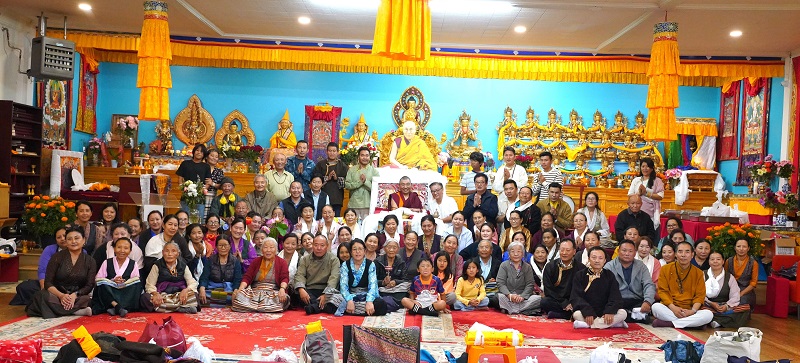
Photo is Rinpoche in Bodhgaya, India in January of 2018.
བརྙན་པར་ནི་ཕྱི་ལོ་ ༢༠༡༨ ལོའི་ཟླ་བ་དང་པོར་རྒྱ་གར་གྱི་བོད་གྱ་རུ་བླ་མས་བརྒྱབ་པ་རེད།